
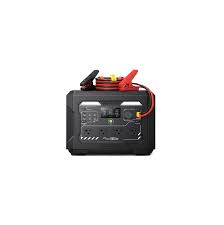
A CPAP machine plays an important role in maintaining consistent breathing support during sleep. Because it needs electricity to operate, a power outage can become a concern for anyone who relies on CPAP therapy every night. A portable power station can portable power station for CPAP provide a practical backup solution, allowing users to keep their CPAP machine running when the main electrical supply is unavailable.
Choosing the right portable power station for CPAP use requires more than simply looking at battery capacity. Runtime, output type, efficiency, portability, charging options, and the CPAP machine’s power requirements all matter. This guide explains the key factors to consider when selecting a dependable overnight backup.
Why a Portable Power Station Can Be Useful for CPAP
Power outages can happen because of severe weather, electrical problems, maintenance, or other unexpected events. Even a short interruption may stop a CPAP machine and affect a user’s normal sleep routine.
A portable power station contains a rechargeable battery and power outlets that can supply electricity to compatible devices. Depending on the model, it may provide AC outlets, USB ports, DC outputs, or multiple charging options.
For CPAP users, this means a portable power station can serve as an emergency backup during an outage. It can also be useful when camping, traveling, staying in remote locations, or dealing with temporary electrical problems.
Understanding CPAP Power Requirements
Before purchasing a portable power station, check the specifications of the CPAP machine. Different machines use different amounts of electricity, and accessories can significantly change overall consumption.
A CPAP machine may operate from an AC outlet, while some models can also use DC power with an appropriate setup. Features such as heated humidifiers and heated tubing generally require additional energy.
The easiest way to determine your needs is to check the machine’s power adapter or manufacturer’s specifications. Look for information such as voltage, amperage, and wattage.
For example, if a device requires approximately 30 watts and operates for eight hours, its basic energy requirement would be around:
30 watts × 8 hours = 240 watt-hours
A real-world setup may require more because power conversion and battery systems are not perfectly efficient. Therefore, selecting a power station with some additional capacity is important.
How Much Battery Capacity Do You Need?
Battery capacity is commonly measured in watt-hours (Wh). A higher Wh rating generally means the battery can store more energy and potentially provide longer runtime.
For overnight CPAP backup, calculating expected consumption is a useful starting point. Multiply the approximate power draw by the number of hours you expect to use the machine.
For instance, a CPAP setup using 25 watts for eight hours would theoretically consume about 200 Wh. However, the actual battery requirement may be higher when using an AC inverter because energy is lost during conversion.
If the CPAP uses additional features such as a heated humidifier, energy consumption may increase considerably. Because of this, users should consider their complete setup rather than relying only on the CPAP machine’s basic wattage.
AC Output vs. DC Power
The type of output available on a portable power station is another important consideration.
Many CPAP machines are designed to connect to standard AC outlets. A power station with a suitable AC output can therefore provide a familiar connection method.
However, some CPAP setups may be able to operate from DC power using compatible equipment. DC operation can sometimes reduce conversion losses because the battery itself stores energy as DC electricity.
The correct choice depends on the specific CPAP model and compatible accessories. Users should always follow the equipment manufacturer’s requirements and avoid using incompatible cables, adapters, or converters.
Pure Sine Wave Output
If you plan to power a CPAP machine through an AC outlet, the type of inverter can be an important consideration. A pure sine wave inverter produces electricity that closely resembles the power supplied by a conventional electrical outlet.
Many modern electronic devices are designed to work with this type of output. A portable power station with a pure sine wave AC inverter can therefore be a sensible choice for sensitive electronic equipment.
Before buying, check the power station’s technical specifications to confirm the type of AC waveform it provides.
Consider the CPAP Humidifier
One of the biggest factors affecting overnight battery life can be the heated humidifier. Heating water requires substantially more energy than running the basic CPAP blower in many setups.
If you need maximum runtime during an outage, check whether the humidifier and heated tubing can be disabled according to your normal therapy instructions. Some users may choose to use the CPAP without heating features during an emergency, but any change to prescribed therapy should be discussed with a qualified healthcare professional.
When calculating battery capacity, include every accessory you intend to operate.
Runtime Matters More Than Battery Size Alone
A large battery does not automatically guarantee a specific number of hours of CPAP operation. Runtime depends on the actual power draw, inverter efficiency, connected accessories, battery condition, and environmental conditions.
A useful general calculation is:
Estimated Runtime = Battery Capacity × Efficiency ÷ Device Power Consumption
For example, a 500 Wh power station does not necessarily provide 500 Wh of usable AC energy. If the system has conversion losses, the amount available to the CPAP will be lower.
This is why it is useful to choose a power station with a reasonable capacity margin instead of selecting one based only on the theoretical minimum.
Charging Options for Emergency Preparedness
A reliable backup system should also have a practical way to recharge. Most portable power stations can be charged from a standard wall outlet, but some models support additional charging methods.
Solar charging can be useful during extended outages, especially when sunlight is available. Vehicle charging may also provide another option during travel or emergency situations.
Having multiple charging methods can make a backup power station more flexible. However, charging times vary by model and power source, so check the manufacturer’s specifications before relying on a particular method.
Portability and Ease of Use
If the power station will mainly stay beside your bed, weight may not be a major concern. However, people who travel with their CPAP equipment may prefer a smaller and lighter unit.
Look for practical features such as:
- Clearly labeled power outlets
- Easy-to-read battery indicators
- Quiet operation
- Built-in safety protections
- Convenient carrying handles
- Multiple charging options
- Automatic shutoff features where appropriate
A simple interface can be particularly helpful during an unexpected nighttime outage.
Safety Considerations
A portable power station should be placed on a stable, dry, and well-ventilated surface. Avoid covering ventilation openings or placing the unit where it could be exposed to moisture.
Use the cables and adapters recommended for the CPAP machine and power station. Do not exceed the power station’s rated output.
It is also a good idea to test the complete backup setup before an emergency. Connect the CPAP to the power station and verify that everything operates correctly. Testing also gives you a better understanding of actual battery consumption.
Portable Power Stations for Travel
A CPAP backup battery can be especially useful during travel. Whether staying in a hotel, camping, or visiting an area where electrical reliability is uncertain, a portable power station can provide an additional source of electricity.
Before traveling, check the transportation rules that apply to the battery type and capacity. Airline policies can differ from general transportation requirements, and larger lithium battery systems may have restrictions.
For road trips and camping, portability and rechargeability can be especially valuable.
Building a Reliable CPAP Backup Plan
A portable power station should be considered one part of a broader backup plan. Keep the CPAP machine, compatible cables, adapters, and backup power source together so they are easy to access.
Maintain the power station according to its manufacturer’s recommendations and periodically check its charge level. If you use the unit only during emergencies, testing it occasionally can help ensure it is ready when needed.
It can also be useful to know approximately how long the battery can operate your specific CPAP configuration rather than relying solely on the advertised battery capacity.
Conclusion
A portable power station for CPAP can provide valuable overnight backup during power outages and travel. The most important factors to consider are battery capacity, actual CPAP power consumption, inverter efficiency, output type, charging options, and whether accessories such as heated humidifiers will be used.
Instead of choosing a power station based solely on its advertised watt-hour rating, calculate your expected overnight energy requirements and allow additional capacity for real-world losses. A suitable backup system should also be easy to operate, safely maintained, and tested with the actual CPAP setup before an emergency occurs.
With careful planning and the right equipment, a portable power station can make CPAP power backup more practical and dependable when regular electricity is unavailable.